Local and subnational governments unite to end plastic pollution
The Local and Subnational Governments Coalition to End Plastic Pollution aims to amplify local and regional voices in shaping the globally binding Plastic Treaty
MORE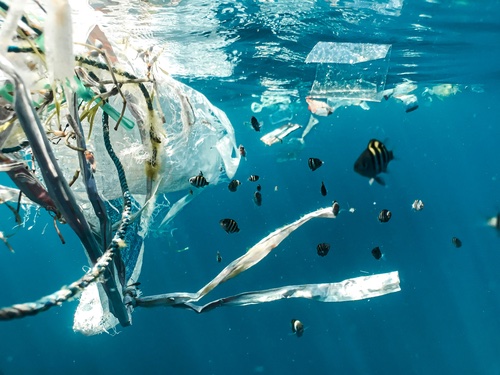

Connecting urban practitioners to the IPCC Special Report on Climate Change and Cities
Set to be released by 2027, this critical report underscores the collaborative approach between scientists and urban practitioners
MORE
Latin American cities rally in unprecedented line-up of events as UN cancels regional climate week
While the UNFCCC cancelled this year’s Regional Climate Weeks, local and regional governments are advancing their own ‘regional dialogues’
MORE
Embracing circular solutions in Belém and beyond
At the UrbanShift Latin America Forum in Belém, Brazil, ICLEI led a circular economy training for local leaders, empowering them to apply its principles in urban settings
MORE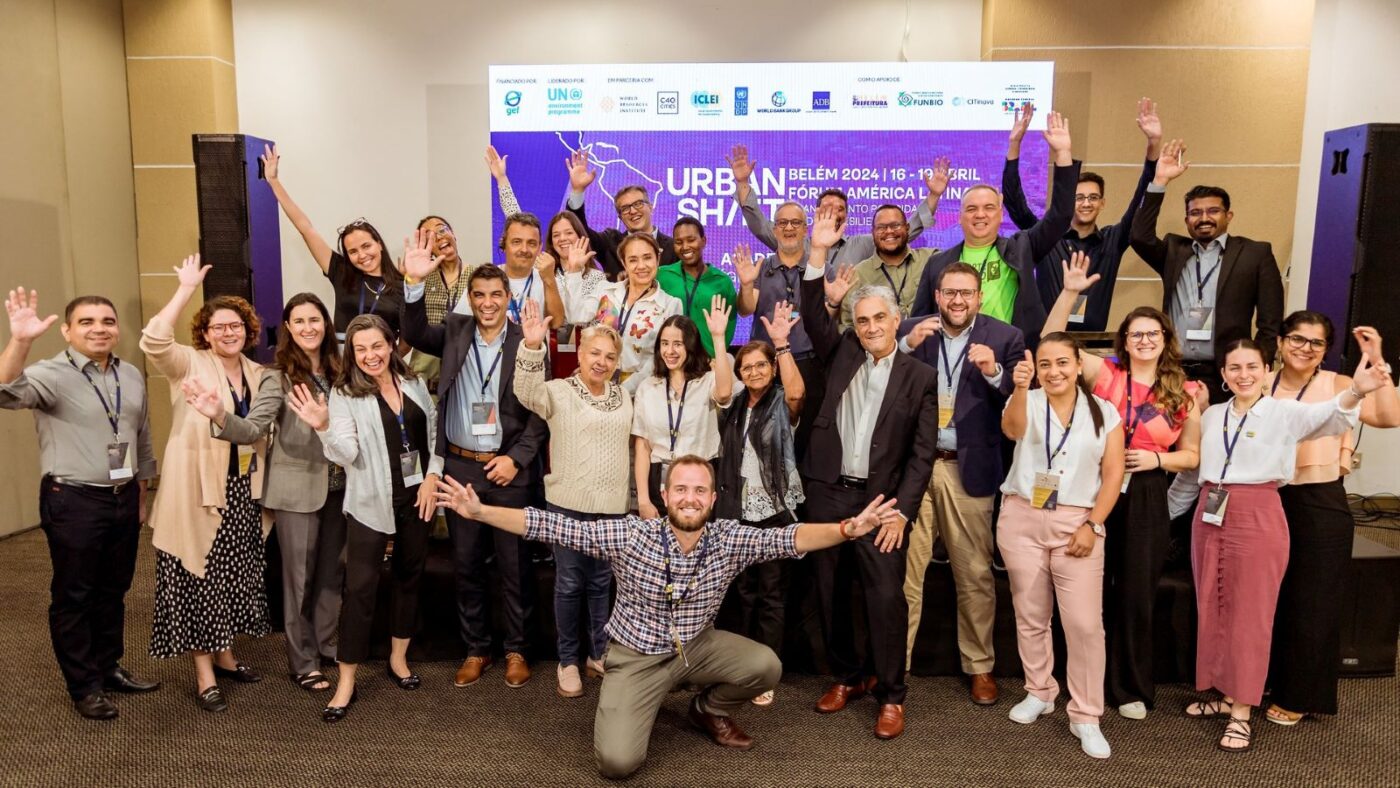
Sowing the seeds for urban agriculture
Covering a third of São Paulo, Brazil, rural areas are seamlessly connected to the city through the Sampa+Rural Program, aiming to create a sustainability hub promoting rural development and healthy living for its residents
MORE
ABOUT THE ORGANIZATION
ICLEI – Local Governments for Sustainability
ICLEI – Local Governments for Sustainability is a global network working with more than 2500 local and regional governments committed to sustainable urban development. Active in 125+ countries, we influence sustainability policy and drive local action for low emission, nature-based, equitable, resilient and circular development. Our Members and team of experts work together through peer exchange, partnerships and capacity building to create systemic change for urban sustainability.
2500+
Cities towns & regions
25+
% Global urban population
125+
Countries worldwide
20+
% Global population
WHO WE ARE
Our network in numbers
Local and regional governments across the ICLEI network represent a diversity of cities, towns and regions. Collectively, they form a dynamic force advancing sustainable urban development worldwide.
Our network
FEATURED CITY
Graz, Austria
With nearly 300,000 inhabitants, Graz is Austria’s second-largest city and is an ICLEI Member since 2020. Mayor Elke Kahr’s recent recognition with the 2023 World Mayor Prize and Awards underscores her “selfless dedication to Graz and its citizens.” Mayor Kahr, in office since 2021, embodies Graz’s pledge to pursue equitable and people-centered, low-emission, nature-based, resilient, and circular development following ICLEI pathways.
Learn more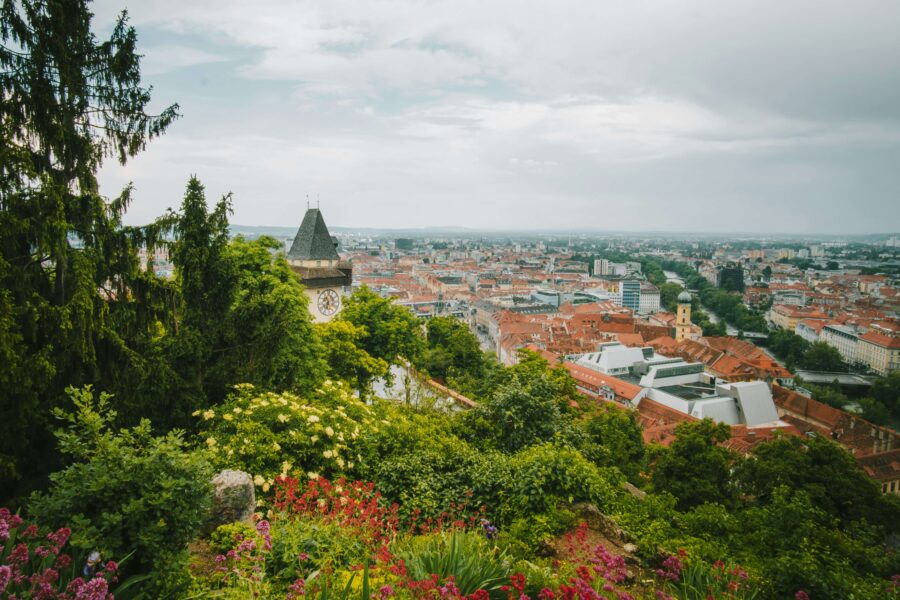

OUR MISSION
Building a sustainable urban world
The ICLEI Malmö Commitment and Strategic Vision 2021-2027 outlines our new vision for how the ICLEI network will advance sustainable urban development worldwide.
Find out more